
Crossings
Four birds, one zebra and a lot of flashing amber.
Britain names its crossings after animals, mostly birds, and each one has its own rules. Here is how to tell them apart, and what each one asks of the driver.
Somewhere along the way, British road engineers decided that crossings should be named after animals. We have a zebra, a pelican, a puffin and a toucan, and out in the countryside, a pegasus. Only the zebra was named for how it looks. The birds are acronyms that got out of hand.
Each one has its own rules, and they matter most to the person in the driving seat. Who goes first? Do the lights flash? Which signal is the person on the kerb even looking at? Here are all four, one at a time.
Zebra: stripes and beacons
The oldest and simplest. Black and white stripes across the road, an orange globe on a striped pole at each end, and no traffic lights at all. The globes are Belisha beacons, and they flash all day and all night.
White zigzags either side mean no parking and no overtaking near the crossing. Drivers must give way to anyone on the stripes, and since 2022 the Highway Code says they should give way to people waiting to cross, too.
Pelican: lights across the road
A pedestrian light controlled crossing. You press the button, then watch the red and green man on the signal on the far side of the road.
Its trademark is the flashing amber that follows the red. Drivers may go on flashing amber, but only if nobody is still crossing. Pelicans are being phased out in favour of puffins, but plenty are still out there.
Puffin: the signal beside you
A pedestrian user-friendly intelligent crossing. The red and green man sit on the box next to you, so you can watch the traffic and the signal at once.
Sensors watch the kerb and the crossing. Walk away and your request can be cancelled; dawdle across and the traffic’s red is held until you’re over. No flashing amber: traffic gets red and amber, then green.
Toucan: two can cross
A toucan is shared by people walking and people cycling, who can ride across without getting off. It’s usually wider, and the signal shows a green bike beside the green man.
Otherwise it works like a puffin: near-side signals, sensors, and no flashing amber. Drivers should expect bikes to come off the crossing faster than walkers.
Types of pedestrian crossing in the UK, side by side
The short version, if you only need one row. The big split is between the zebra, which has no lights and where people crossing have priority, and the three with lights, where everyone does what the signals say.
| Crossing | Who crosses | How it works | Walkers watch | Flashing amber? | Drivers |
|---|---|---|---|---|---|
| Zebra | People on foot | No lights: stripes and flashing Belisha beacons | At the traffic | The beacons flash all the time | Give way to anyone on the crossing, and to people waiting to cross |
| Pelican | People on foot | Push button, fixed timings | Red and green man across the road | Yes, after the red | Stop on red; on flashing amber, go only if the crossing is clear |
| Puffin | People on foot | Push button, sensors that see you wait and cross | Red and green man on your side, by the button | No: red, then red and amber, then green | Stop on red; the red is held while people are still crossing |
| Toucan | People on foot and on bikes | Push button, sensors, a wider crossing | Green man and green bike, on your side | No: works like a puffin | Stop on red, and expect cyclists crossing too |
And a few rarer ones
A parallel crossing is a zebra with a cycle track running alongside it: the walking half keeps its stripes, and the cycling half is edged with lines of large white squares. Drivers give way to people walking and cycling across it, just as they would at a zebra. A pegasus (or equestrian) crossing is a toucan for horses: a wider crossing, a higher button a rider can reach from the saddle, and a red and green horse on the signal.
Then there are crossings that aren’t really crossings: a dropped kerb, an island in the middle of the road. They help people cross, but traffic has no duty to stop at them.
The difference between a pelican and a puffin crossing
From the driver’s seat they look almost the same: a set of traffic lights and a stripe of studs across the road. The difference is in the order of the lights. A pelican has a flashing amber after the red; a puffin goes red, red and amber, green, like any other set of lights. Press the button and watch both.
Light sequence player
Ready
Drivers see
Walkers see
On the far side of the road
Beside you, by the button
Beside you, with a bike
- Button
- Amber
- Red
- Green man
- Flashing
- Green
- Button
- Amber
- Red
- Green man
- Held red
- Red + amber
- Green
- Button
- Amber
- Red
- Man + bike
- Held red
- Red + amber
- Green
Traffic has green, walkers have the red man. Press the button to ask to cross.
Real order, times shortened: about 18 seconds here, a minute or more on the street.
The pelican’s flashing amber is a handover. Walkers who are still on the crossing can finish, and drivers can go once it’s clear, with no fixed timer telling either of them when. It works, but it relies on everyone judging it well. The puffin takes the judgement away: sensors watch the crossing and keep the traffic on red until nobody is left on it.
That’s also why the puffin moved the signal to your side of the road. Looking across at a far-side signal, you have your back half-turned to the traffic coming from the left. Looking down at a box beside you, the traffic and the signal are in the same view.
Who has priority at a zebra crossing?
People on it. If someone has stepped onto the stripes, drivers and riders must give way. Since the Highway Code was updated in January 2022, drivers should also give way to people waiting at the kerb to cross. The zigzags on either side are a no-parking and no-overtaking zone, so nobody blocks the view of the person about to step out.
It works the other way too. The Highway Code tells people on foot to wait until traffic has stopped before they cross, and to keep looking as they go. A zebra gives you priority, not a force field.
Spot them in Greenwich
The game’s town is a hand-built map of London centred on Greenwich, and within a few minutes’ drive of each other it has a zebra, a pelican and a puffin. Here’s where they are on the game’s map.
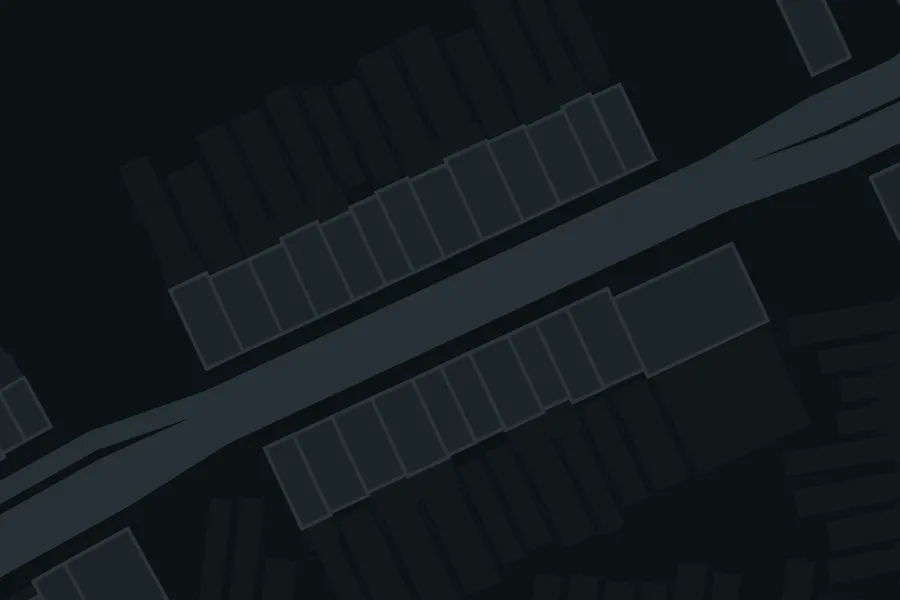
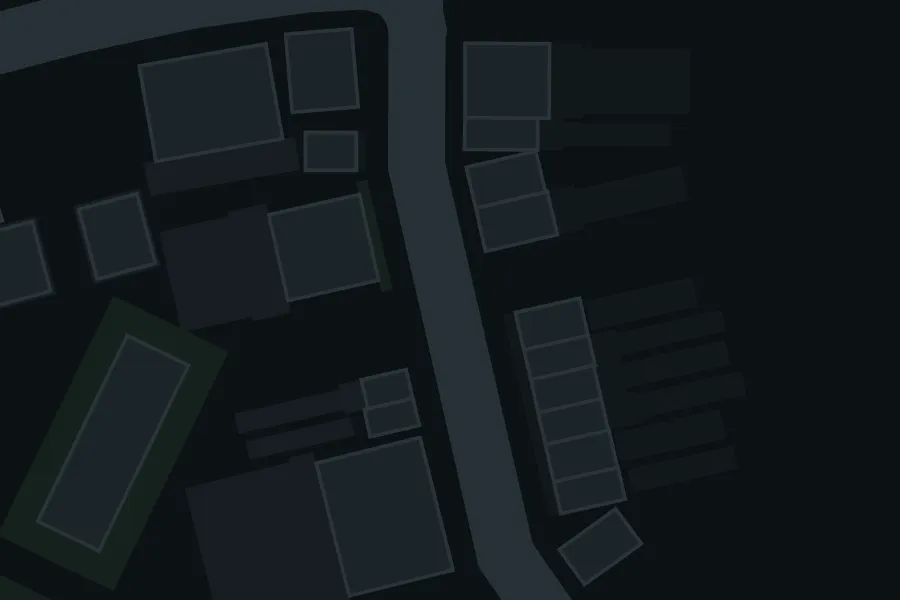
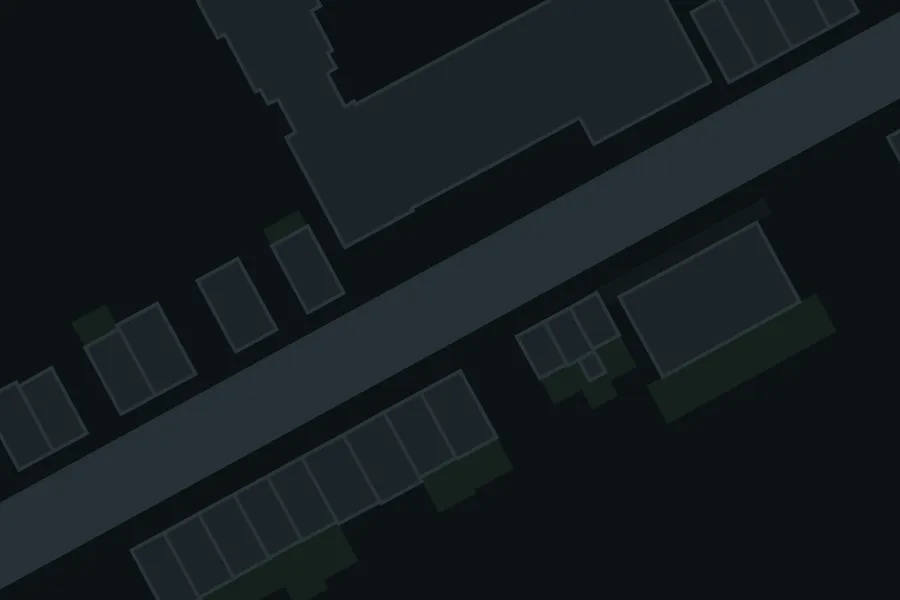
Which crossing is this?
Four crossings, four clues. No peeking at the table.
Which crossing is this?
0 of 4
1Black and white stripes, two orange globes blinking on poles, and no lights for traffic at all.
Those globes are Belisha beacons. Drivers give way to anyone on the stripes, and should give way to people waiting.
2You press the button, then watch for the green man on the signal on the far side of the road.
Far-side signals are the pelican’s giveaway. Its traffic lights also flash amber after the red.
3The red and green man are on the box right beside you, and the traffic never gets a flashing amber.
Puffins put the signal at your side and use sensors to hold the red while you cross.
4A wide crossing, and the signal shows a green bike next to the green man.
“Two can cross”: people walking and cycling share it.
What it means in the game
In I Know a Shortcut the town is full of people, and they cross the road the way people do. Most of them walking past a zebra use it. They step out when the traffic coming can stop comfortably, and your driver stops for them, because every driver in the game stops for anyone in the road. At the light-controlled crossings, people wait at the kerb until the traffic’s lights are red.
Which means a zebra on your route is a gamble. Quiet, and you sail over. Busy, and you wait while a school trip files across. A good passenger knows where the crossings are and picks the way round. Across the Creek runs along Romney Road, straight over its puffin.
Questions
Quick answers
What is the difference between a pelican and a puffin crossing?
Both are push-button crossings with traffic lights. On a pelican the red and green man are on the far side of the road and drivers get a flashing amber after the red. On a puffin the signal is on your side, next to the button, sensors hold the traffic on red while people are still crossing, and there is no flashing amber: drivers get red and amber, then green.
What does toucan crossing mean?
A toucan is a light-controlled crossing shared by people walking and people cycling: “two can cross”. Cyclists can ride across without getting off. The signal shows a green bike next to the green man, and it otherwise works like a puffin.
Who has priority at a zebra crossing?
People crossing. Drivers and riders must give way to anyone who has moved onto a zebra crossing, and since the 2022 Highway Code update they should also give way to people waiting to cross. Walkers should still wait until traffic has stopped before stepping out.
What does flashing amber mean at a pelican crossing?
It follows the red. Drivers must give way to anyone still on the crossing, and may go only once it is clear. Walkers see a flashing green man at the same time, which means don’t start to cross.
What types of pedestrian crossing are there in the UK?
Zebra and parallel crossings (a zebra with a cycle track beside it) have no lights. Pelican, puffin and toucan crossings are controlled by lights, and pegasus or equestrian crossings add a higher button and a wider crossing for horse riders. Many streets also have informal crossings, such as a central refuge island, where traffic has no duty to stop.
In the game
Now try it with someone who doesn’t know the way.
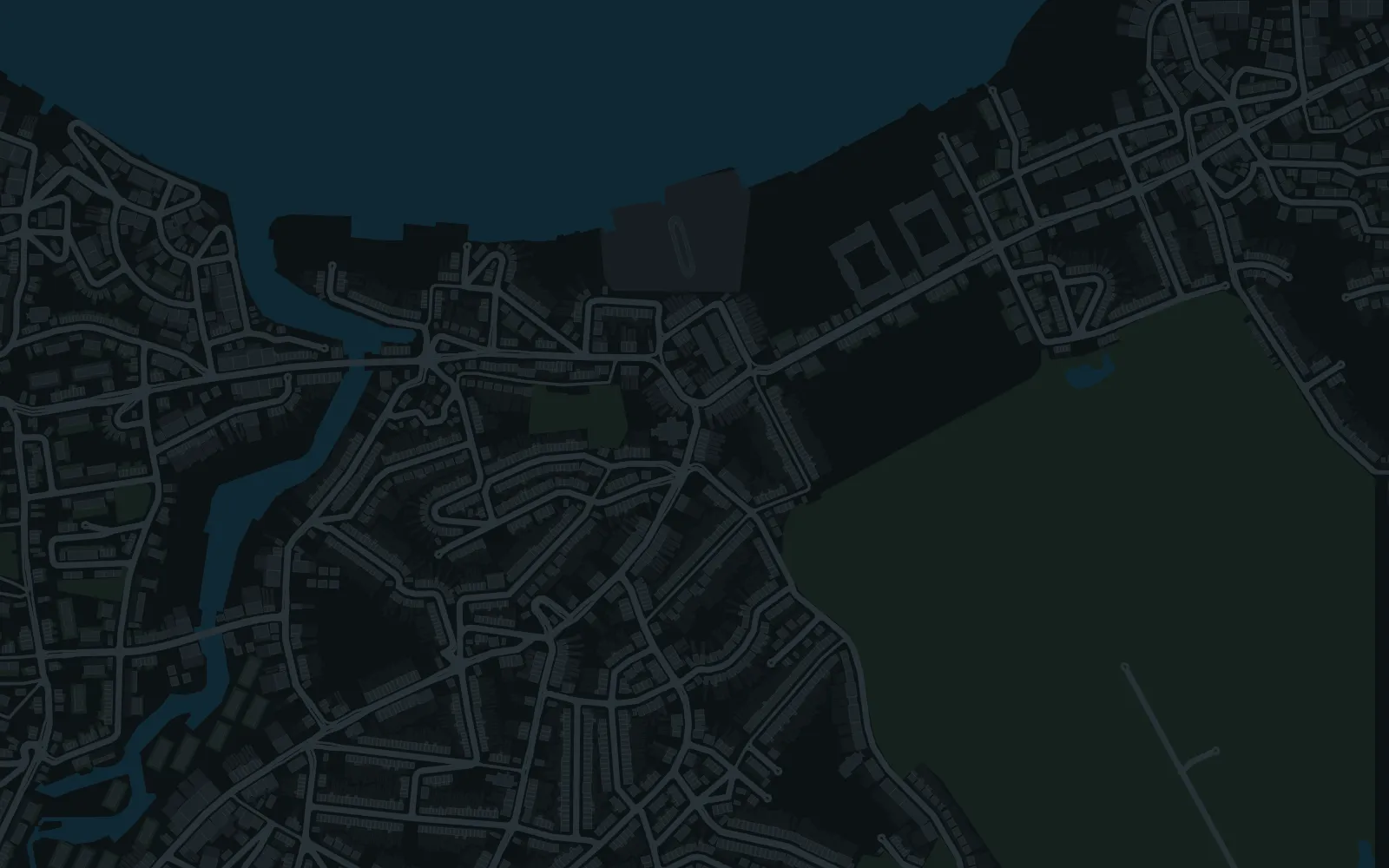
In I Know a Shortcut you’re the passenger. You can’t steer or brake; you can only call it, and your driver does their best. Across the Creek runs 2.2 km to Creekside rehearsal, with 5 turns to call and a gold medal at 10:45.